
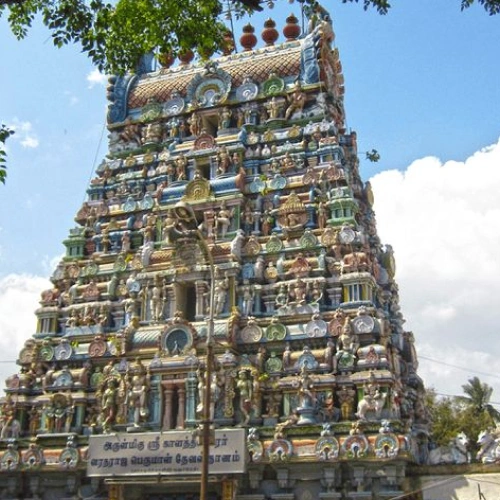
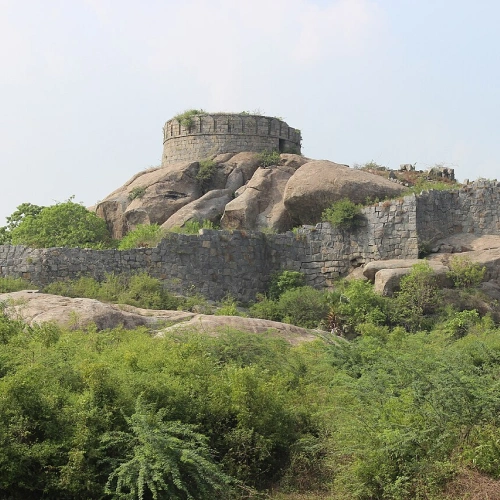
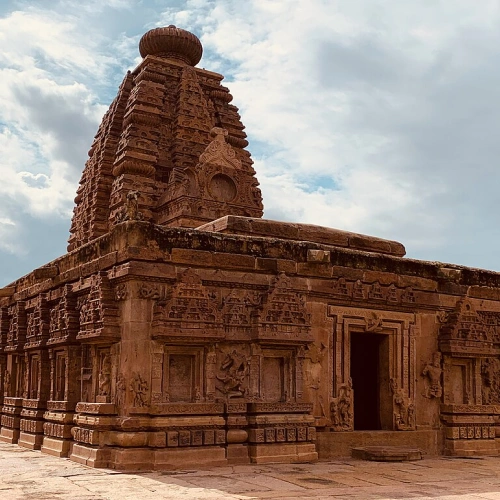
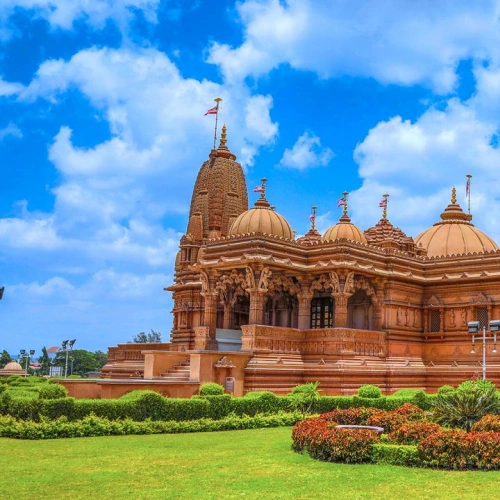
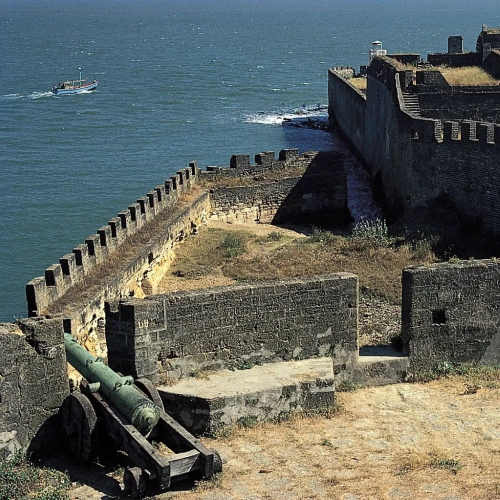
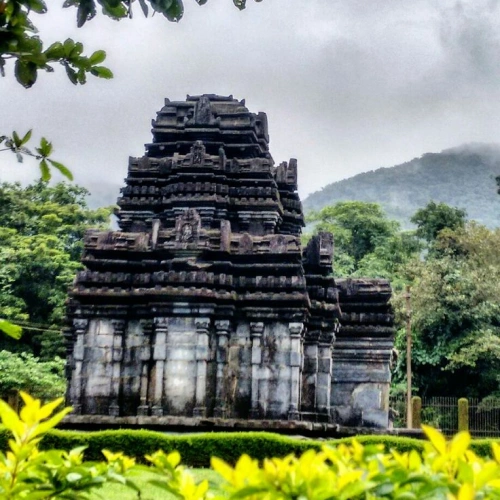
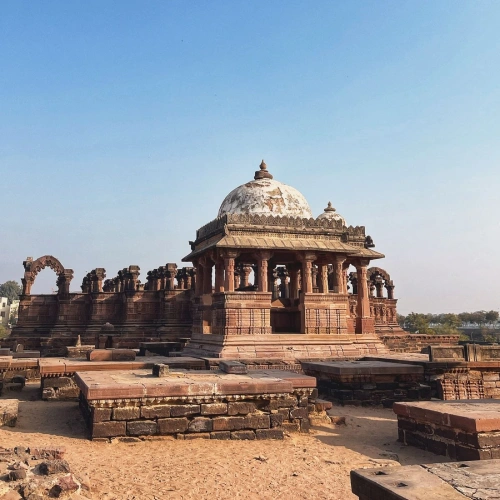
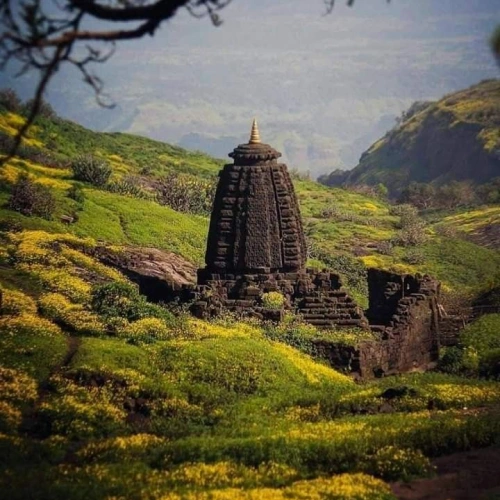
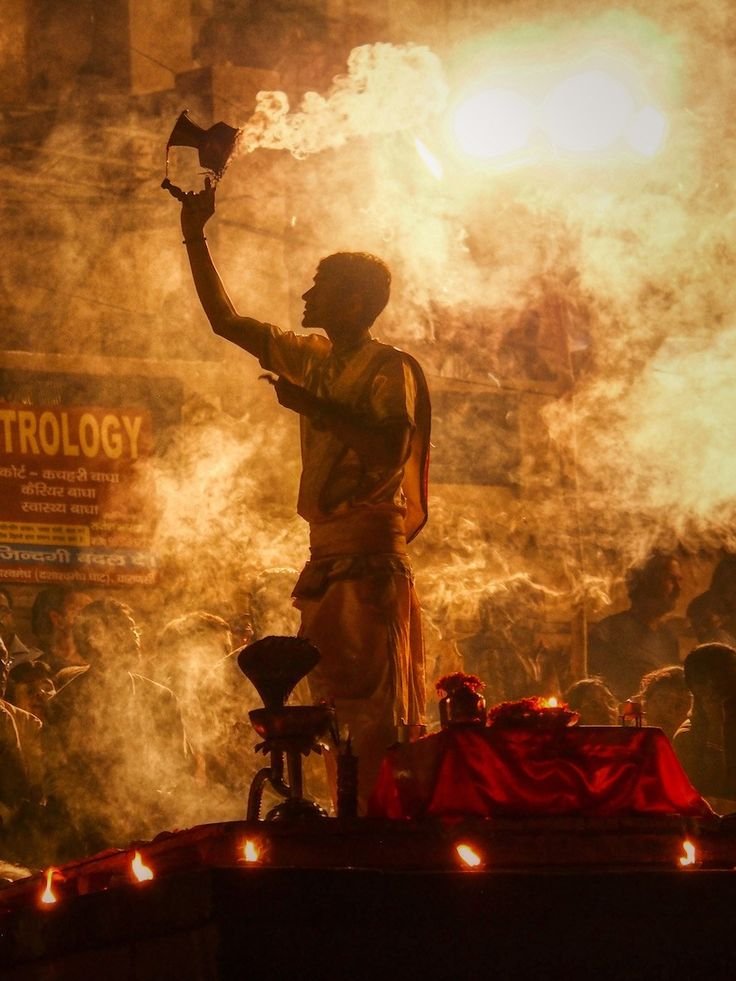
When we hear the word heritage, most of us think of old temples, forts, monuments, or places mentioned in history books. Something ancient. Something famous. Something officially recognised.
But heritage is not always that distant or grand.
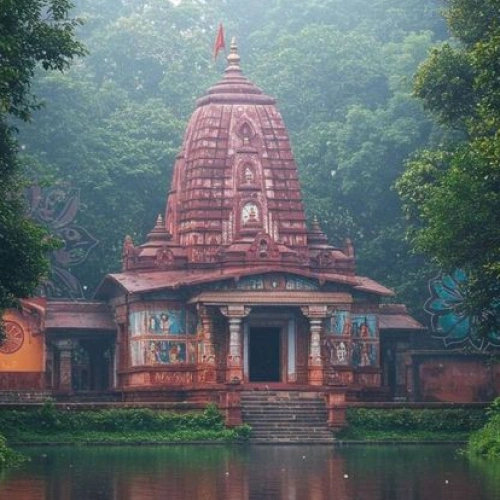
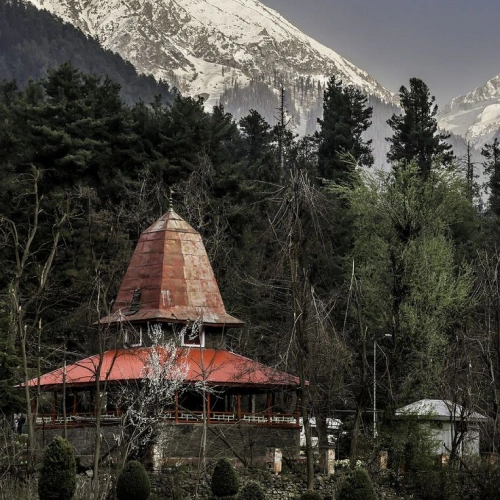
In many towns and villages, there are small places people pass every day without thinking twice. A shrine under a tree. A stone on the roadside with flowers placed on it every morning. A small temple built twenty years ago, but already part of daily life. A space where a local ritual happens every year, even if it was never written down anywhere.
These places may not be old in age, but they are old in meaning.
Heritage is not decided only by time. It is shaped by use, belief, habit, and continuity. When people return to a place again and again, when something becomes part of how a community lives, it slowly becomes cultural memory.
Many everyday places carry stories that are never recorded. They exist only because people care enough to keep showing up. No boards, no plaques, no official labels. Just quiet presence.
In India especially, culture does not always announce itself. It lives in small gestures. In routine. In spaces that grow naturally around people’s lives. Ignoring these places because they are not ancient or monumental means missing a large part of what heritage really is.
This platform exists to notice that everyday layer.
Not to judge what qualifies, not to rank importance, and not to decide what matters more. Only to acknowledge that heritage does not begin in the past alone. It continues in the present.
Sometimes, the places we walk past daily carry more meaning than the ones we travel far to see.
And those, too, deserve attention.