





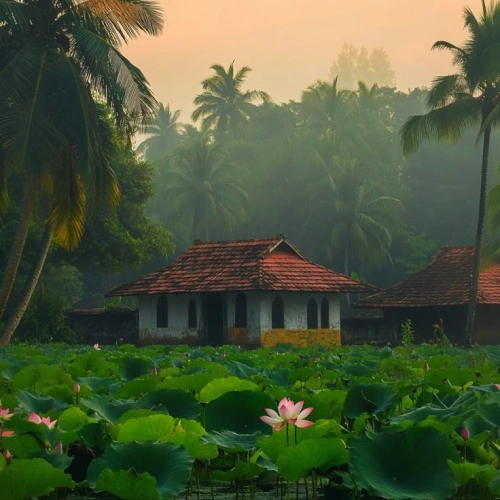
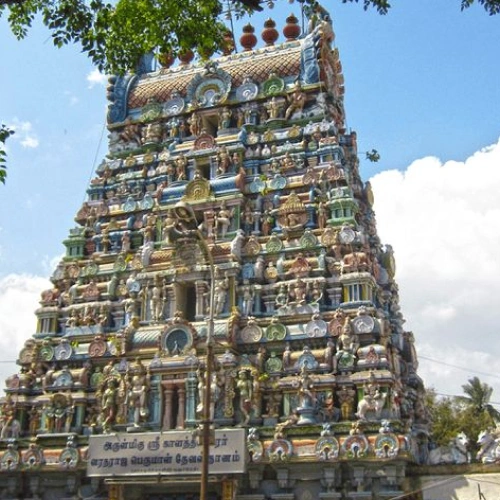
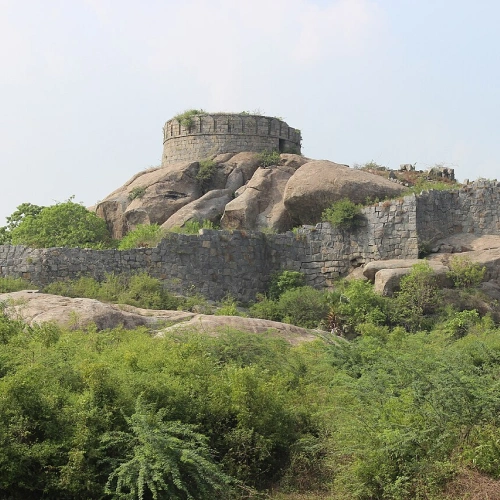
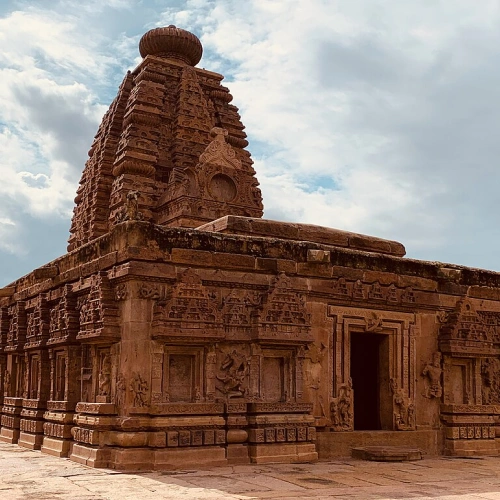

Many heritage places begin their life in a very ordinary way. They are not destinations. They are part of routine. People stop by without planning, spend a few quiet minutes, and move on. The place fits naturally into daily life.
For a long time, nothing about it feels special in the public sense. It simply exists.
As awareness grows, the nature of the place starts to change. More people arrive. Some come out of curiosity, some out of respect, some because they have heard about it elsewhere. Slowly, the rhythm shifts.
What was once familiar becomes shared with strangers.
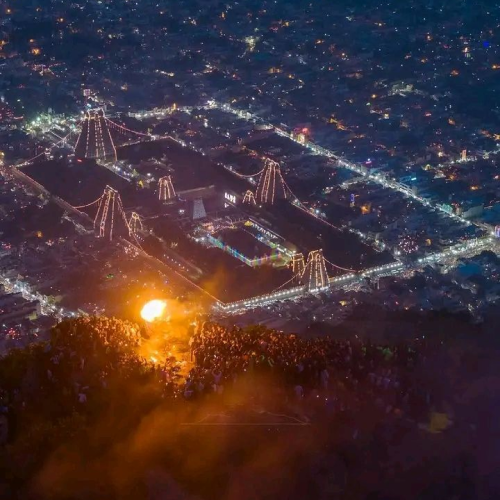
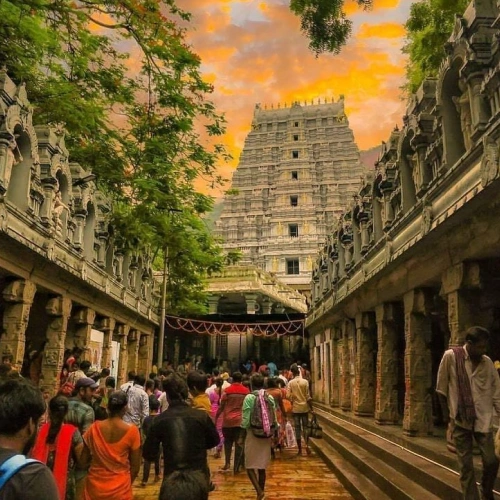
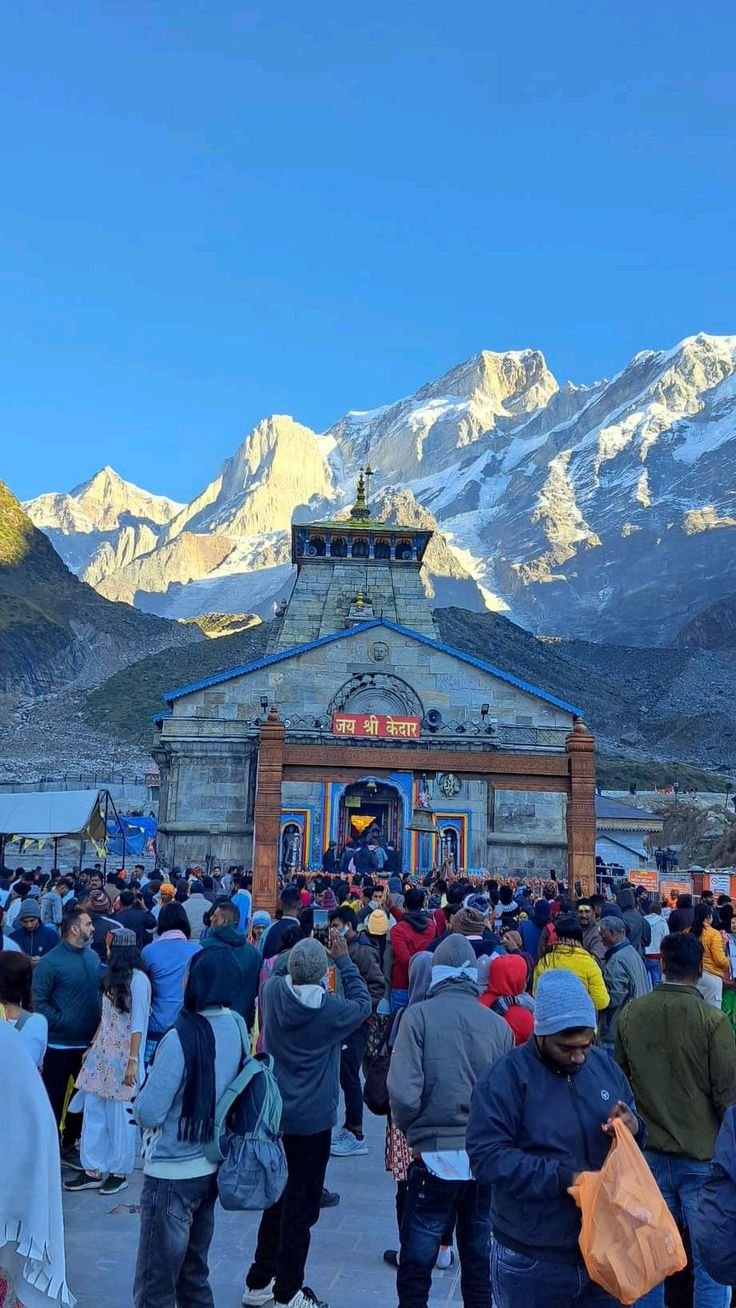
Crowds do not change the structure of a place overnight, but they change how it feels. Silence becomes rare. Movement becomes constant. Time spent at the place shortens. People begin to observe rather than participate.
This shift is not always negative. Increased attention can bring care, upkeep, and safety. It can protect a place from disappearing or being ignored. Visibility often ensures survival.
At the same time, something subtle can be lost.
For those who have known the place quietly, the sense of closeness may weaken. The place may start to feel distant, even though it is still physically present. What once belonged to everyday life begins to feel managed.
Heritage is not only about age or history. It is also about relationship. How people relate to a place shapes its meaning. When that relationship changes, the meaning adjusts too.
Visitors experience heritage differently from locals. For visitors, the place may feel impressive but brief. For locals, it may feel crowded, rushed, or altered. Neither experience is wrong, but they are not the same.
This creates a quiet tension. Heritage needs attention to survive, but attention changes the way it is experienced.
The question, then, is not whether crowds are good or bad. It is whether we are aware of what changes when numbers grow.
Can a place remain deeply meaningful while being widely visited? Sometimes yes. Sometimes no. Often, it depends on how people approach it — with patience or haste, curiosity or consumption.
Heritage places carry layers of time, memory, and use. When we enter them, we become part of that layer, even briefly.
Growing crowds do not erase meaning, but they reshape it.
And noticing that shift is the first step toward engaging with heritage more thoughtfully.