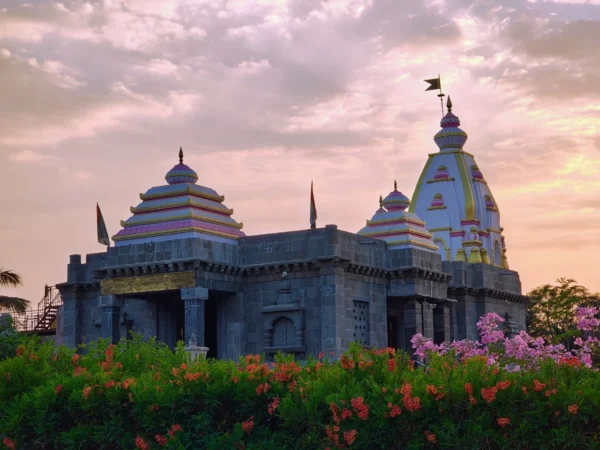
Bhuleshwar Temple Pune | Ancient Shiva Temple with Unique Architecture

Loading available options...

Overview

  • Duration:3 hours 0 minutes
  • Travelers:12 guests
  • Heritage type:Temples
  • Language:English, Hindi, Marathi
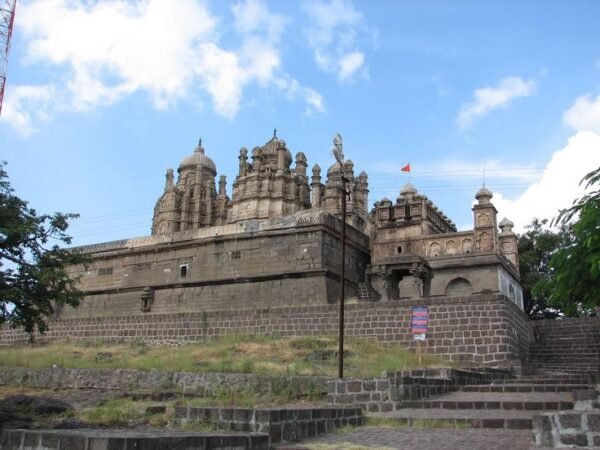
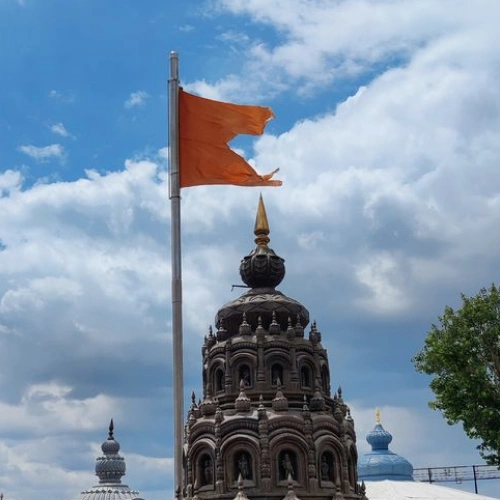
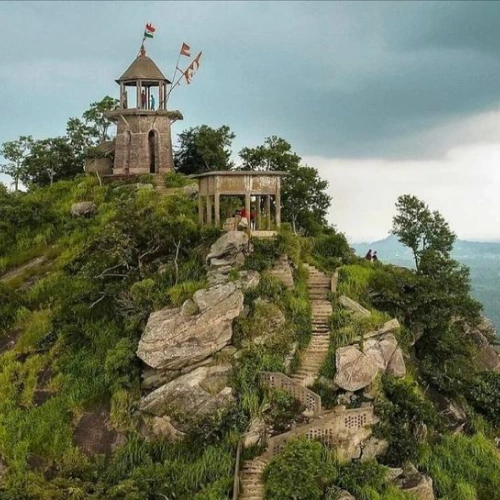
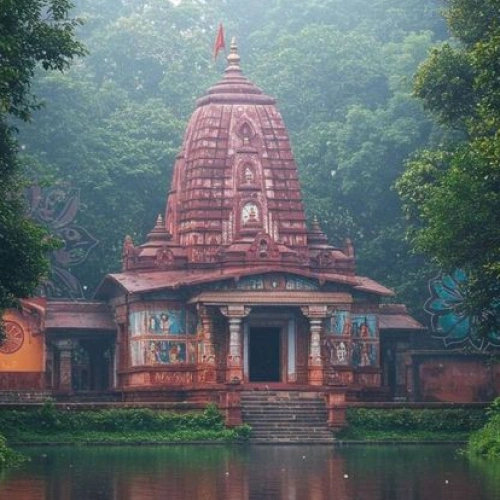
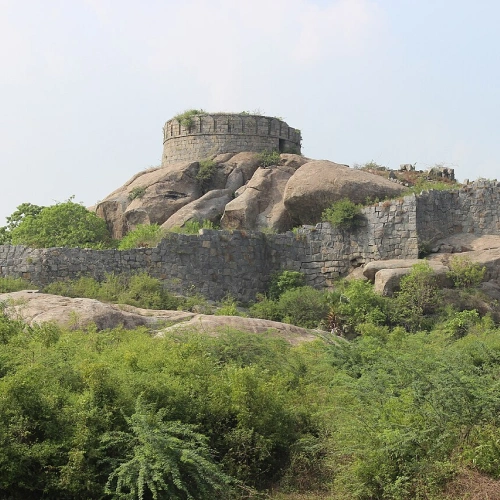
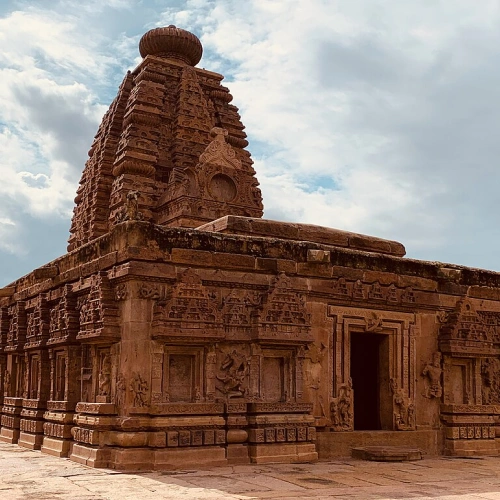
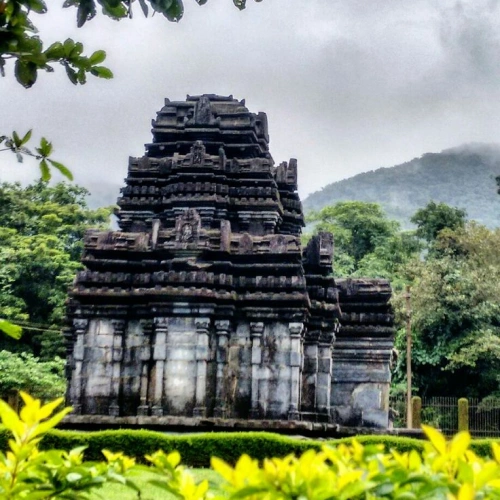
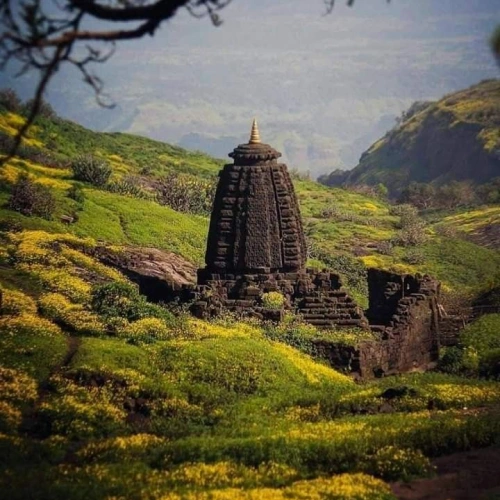
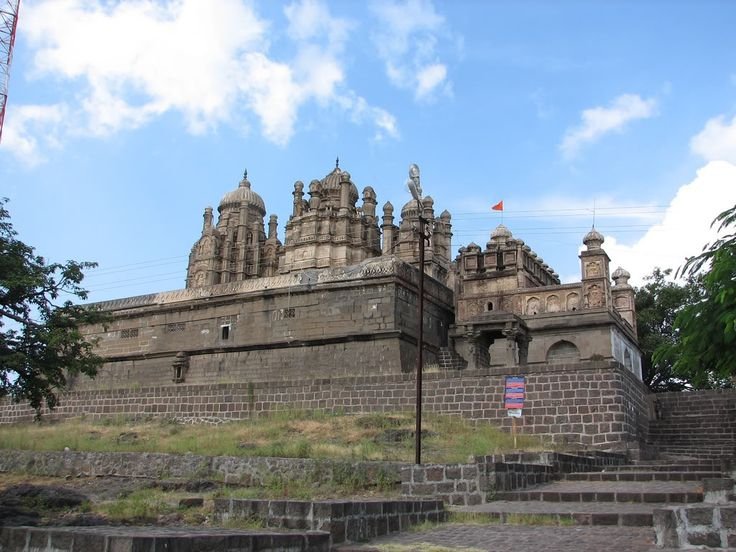
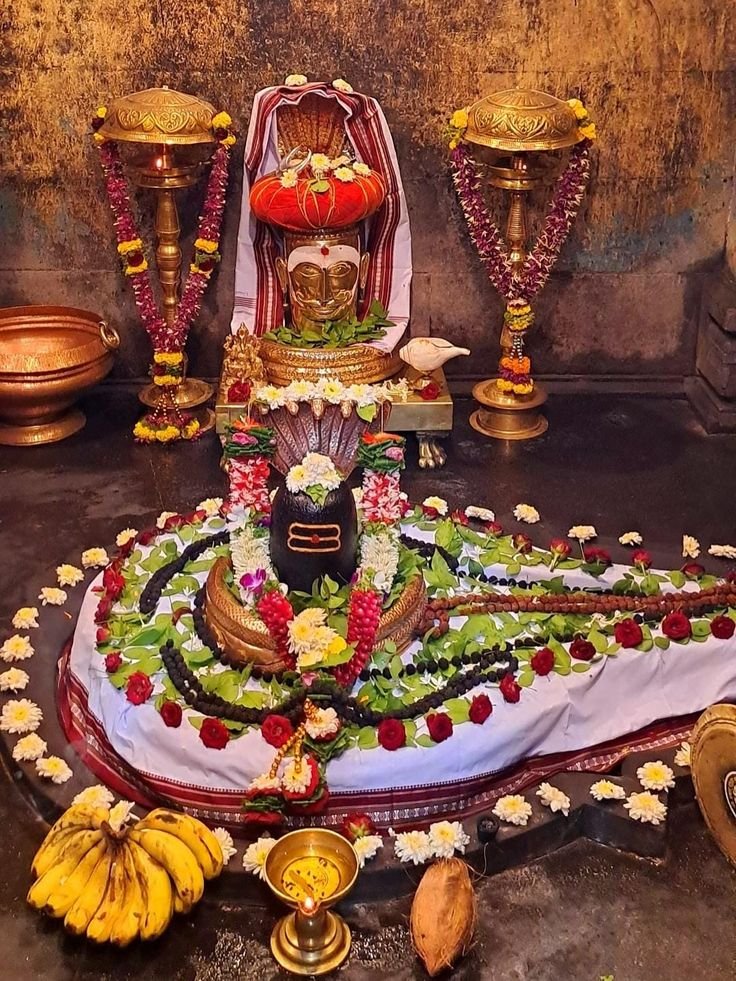
The Bhuleshwar Temple near Pune is an ancient Hindu temple dedicated to Lord Shiva, originally built in the 8th century during the Rashtrakuta dynasty. It stands on a hilltop, known as Daulatmangal Fort, about 45 kilometers from Pune, showcasing unique architecture that blends traditional Hindu and Islamic styles to protect it historically from invasions. The temple features intricate stone carvings depicting scenes from Hindu epics like the Ramayana and Mahabharata, with additional significance given to certain rooms like the "Nedra Kosh," believed to be Lord Shiva's resting place.

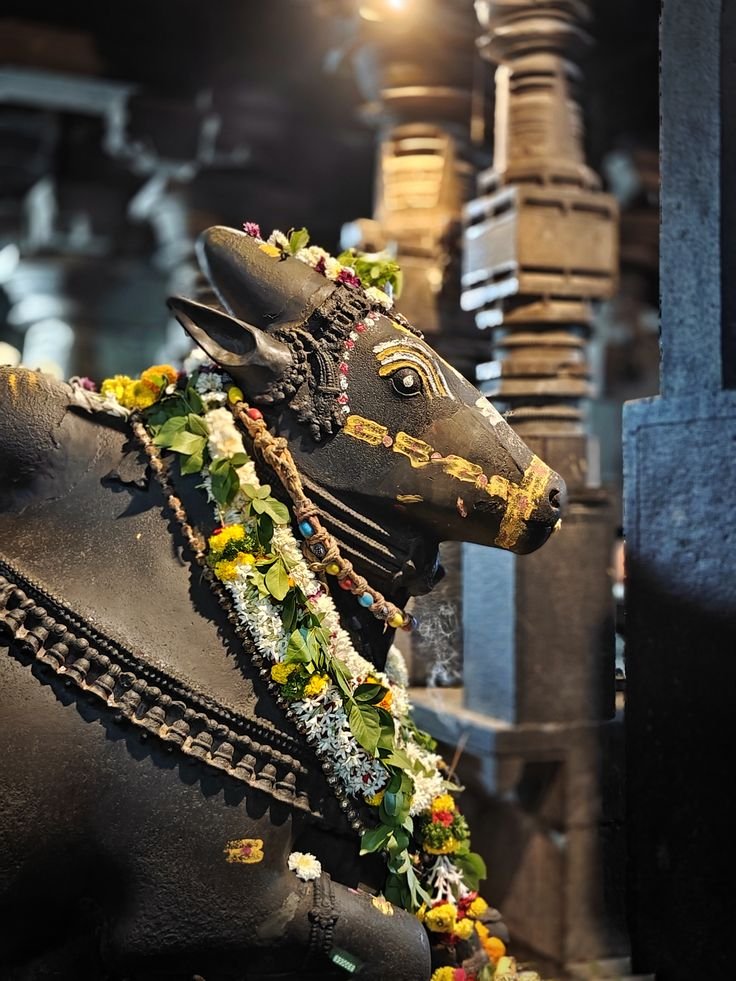
Historically, the temple underwent reconstruction in the 13th century under the Yadava kings, particularly by King Krishnadevaraya. Despite being targeted during the Mughal and Adilshahi eras, the temple's disguised mosque-like exterior helped it survive through periods of conflict. The architecture utilizes black basalt rock, with detailed carvings inside, including statues such as Nandi, Goddess Lakshmi, Lord Vishnu, and a rare female form of Ganesha. It is a protected monument recognized for its cultural and spiritual significance.

Visitors find the temple approachable by a climb of about 200 steps and can admire the fascinating light phenomena created inside the sanctum. The temple complex includes the Nandi Mandapa, Sabha Mandapa, Antarala, and Garbhagriha, supporting its rich religious and historical essence in the Pune region.

This temple is a celebrated site for devotees and tourists alike, blending history, mythology, and art in an enduring spiritual setting near Pune.
Read more

Highlights

  • Four distinct domes designed in a blend of Hindu and Islamic architectural styles
  • Majestic 7-foot black stone Nandi idol guarding the sanctum
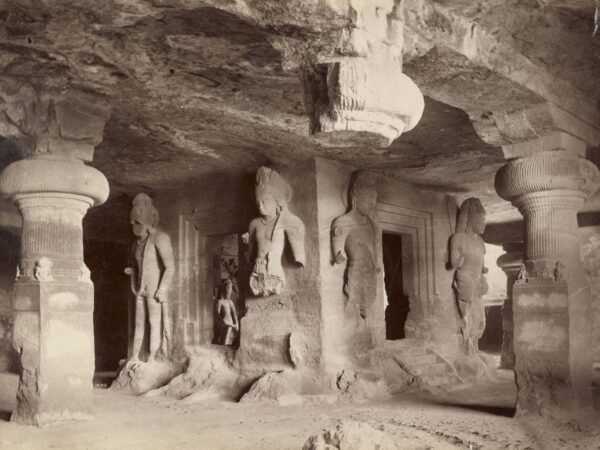
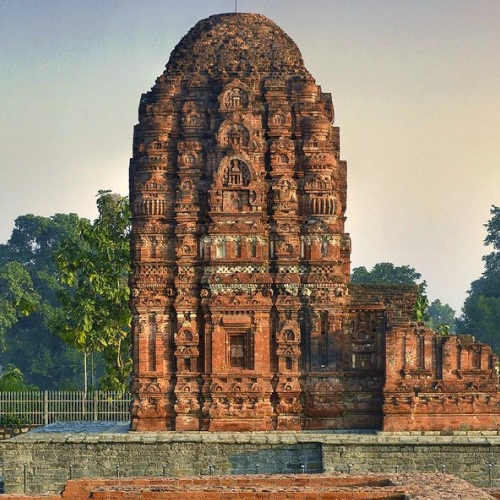
  • Intricate stone carvings depicting Hindu gods, celestial dancers, animals, and scenes from Ramayana and Mahabharata
  • Rare feminine forms of deities like Ganeshwari, Vinayaki, and Maheshwari represented in sculptures
  • The Nedra Kosh, believed to be Lord Shiva's sleeping chamber
  • The serene temple setting atop a hill surrounded by forest and birds
  • Wall carvings that narrate mythological stories and Indian epics in detailed stonework

Includes/Excludes

  • A moderately challenging climb (about 200 steps) up a hilltop, engaging for nature lovers and trekkers
  • Visiting during early morning or late afternoon for pleasant weather and mystical light effects inside the temple
  • Experiencing a peaceful and spiritual atmosphere surrounded by forest, birds, and ancient stone architecture
  • Admiring intricate and detailed carvings of Hindu mythology, deities, and celestial figures throughout the temple
  • Exploring unique interior features like the Nedra Kosh (Shiva’s sleeping chamber) and the large Nandi statue
  • Opportunity for photography (respecting temple rules), especially of carvings and architectural elements
  • Modern tourist infrastructure like shops, cafes, or large rest areas within the immediate temple complex
  • Facilities for physically challenged visitors due to the stair climb and rocky terrain
  • Overcrowded temple experience—usually a less commercialized, more serene spiritual site
  • Large-scale festival crowds except on major Shivratri celebrations which can be very busy
  • Vehicular access directly to the temple entrance; visitors must park and then climb stairs
  • Extensive guided tours onsite—mostly self-exploration with minimal signage or interpretations

Note to remember

Plan your trip thoughtfully. Respect the site’s rules, stay hydrated, wear comfortable clothes, and be mindful of others’ experience.

Itinerary

Expand All

Pune Railway Station (main railway hub in the city) or Pune Airport (Lohegaon Airport)

Start Point Options (choose one or both based on visitor preference)

Exit the station and take a taxi or app-based cab (e.g., Ola, Uber) to Hadapsar bus stand

(around 40 km, 1.5-2 hours)

From Hadapsar bus stand, board a state transport or private bus heading towards Yavat town

(around 40 km, 1.5-2 hours)

From Yavat bus stand, hire a local cab or auto-rickshaw for the final 3-4 km ride to the base of Bhuleshwar Temple hill

Heritage Map

Frequently asked questions

Where is Bhuleshwar Temple located?

Bhuleshwar Temple is situated about 50 km east of Pune, near Yavat town on the Pune-Solapur highway in Maharashtra.

Is there an entry fee to visit Bhuleshwar Temple?

No, there is no entry fee to visit the temple. However, a small toll fee may be charged by the local gram panchayat for vehicles.

How do I reach Bhuleshwar Temple from Pune city?

Visitors can take a taxi or bus from Pune to Hadapsar, then board a bus to Yavat. From Yavat, a local cab or auto-rickshaw is available to the temple base, followed by a climb of about 200 steps.

What facilities like parking, restrooms, eateries, or guides are available on-site?

Bhuleshwar Temple provides ample parking space for both cars and two-wheelers near the base of the temple hill and also a parking area close to the temple entrance at the hilltop. The approach roads and parking areas are well-maintained and accessible for private vehicles. However, facilities such as restrooms and restaurants are very limited; visitors generally find only small local eateries or stalls near the parking zone selling snacks, drinks, and items for pooja. It is advisable to carry your own water and refreshments, especially during the climb and temple visit. Guided tours are not commonly available on-site, as the temple is more of a self-exploration heritage site, so visitors may want to prepare by reading or hiring private guides from Pune if detailed historical context is desired. Overall, the temple offers a simple but sufficient visitor infrastructure focused on preserving its ancient and spiritual ambiance without commercialization.

Maintain Discipline

Avoid Loud Noises

Avoid Loud Noises

Keep noise levels low to maintain peaceful atmosphere.

Dress Traditionally & Modestly

Dress Traditionally & Modestly

Wear traditional traditional attires. Avoid sleeveless, short, tight, or revealing clothes out of respect.

Follow Pathways

Follow Pathways

Keep noise levels low to maintain peaceful atmosphere.

Maintain Hygeine

Maintain Hygeine

Keep the site tidy by disposing of waste properly

No Smoking

No Smoking

Smoking is prohibited to protect the environment and health.

Selective Photography

Selective Photography

Photography allowed only in permitted areas, no flash.

Use Designated Parking

Use Designated Parking

Park only in designated areas to avoid disturbance.

You might also like...