













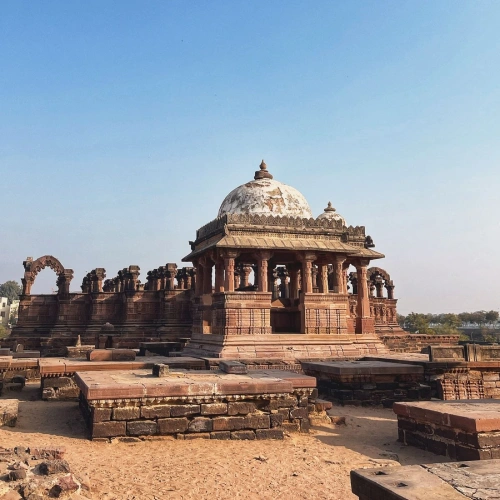


Most buildings are not created to represent culture. They are created to meet a need. A home built where land was available, a school designed for light and air, a street shaped simply by how people moved through it. Nothing about these places was meant to be symbolic.
And yet, over time, many of them become exactly that.
When people return to the same spaces day after day, those spaces begin to carry meaning. A building becomes familiar before it becomes important. People remember how it feels rather than how it looks. They remember corners, sounds, routines. Slowly, the place becomes part of daily life, and daily life becomes part of the place.
Architecture starts to absorb memory. Not through design, but through use. Through conversations that happen in the same spots, through generations passing through the same rooms, through small changes made to adapt rather than replace. What began as function turns into attachment.
These buildings are rarely perfect. They grow unevenly. They are repaired, adjusted, extended. Their value lies in continuity, not preservation. They stay present long enough to matter.
Because they do not stand out, they are often overlooked. They are not marked or celebrated. Their cultural meaning is usually realised only when they disappear, when a familiar structure is replaced and something intangible is lost along with it.
Cultural identity does not always come from intention. Often, it comes from time. From ordinary places that remained, that witnessed everyday life quietly, and became part of how people remember themselves.
Not all heritage begins as heritage. Some of it becomes so simply by being lived in.