


















Big movements often start small. Culture is no different.
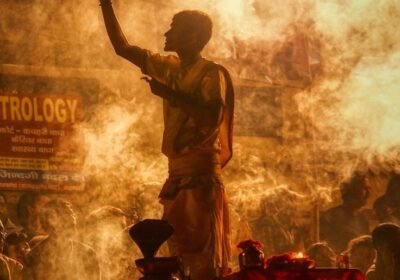
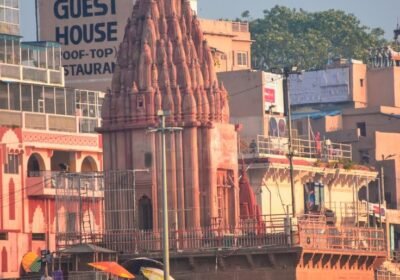
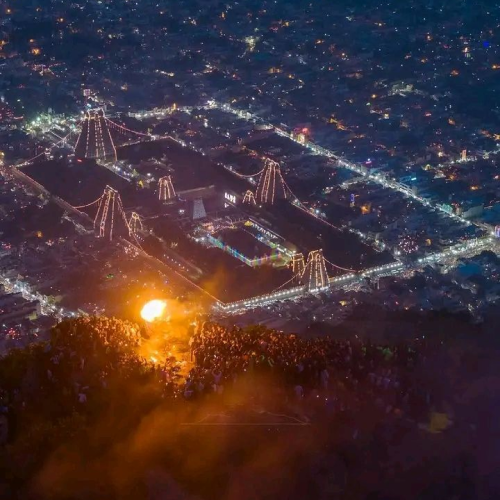
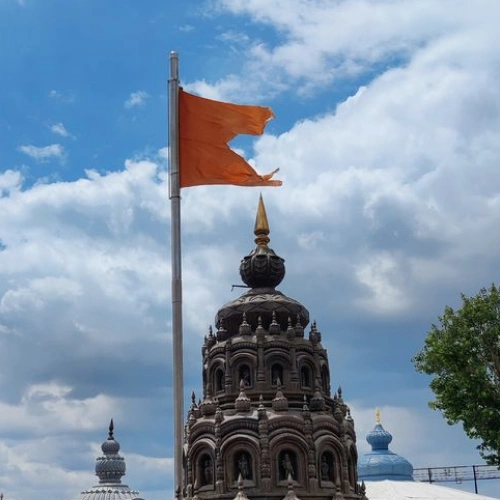
Most cultural attention today goes to well-known places. Famous temples. Recognised monuments. Sites that already have names, boards, and visitors. But cultural life does not begin there. It begins much closer to home.
It begins with one person noticing.
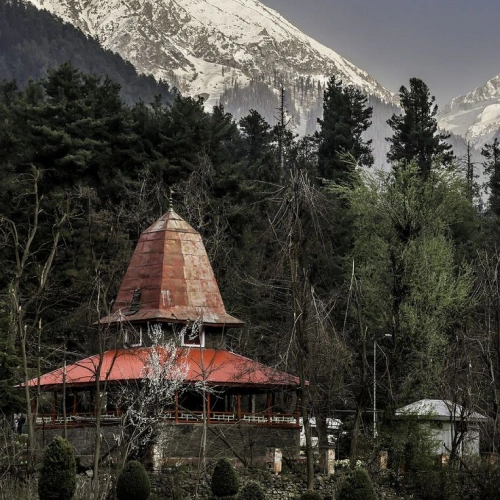
A small shrine that someone cleans every morning.
A local ritual that a few families still follow.
A practice that has no written history, only memory.
These are small acts, almost invisible. But they matter.
Cultural attention does not need scale to begin. It needs care. When someone takes the time to notice, remember, or share what exists around them, something shifts. What was private becomes visible. What was routine gains recognition.
One spark is enough because it invites another.
When one person pays attention, another begins to see. Slowly, a place or practice moves from being unnoticed to being acknowledged. Not celebrated. Not certified. Just seen.
This is how cultural continuity survives. Not through announcements or institutions, but through ordinary people doing ordinary things, again and again.
Local attention is powerful because it is rooted. It comes from proximity, not distance. From lived experience, not observation. People care most about what they grow up with, what they return to, what feels familiar.
This platform exists to make room for that first spark.
Not to decide what is important, and not to turn culture into a list. But to allow small, local acts of attention to exist alongside the large and recognised ones.
Because cultural awareness does not need permission.
Sometimes, all it needs is one person noticing, and that is enough.