






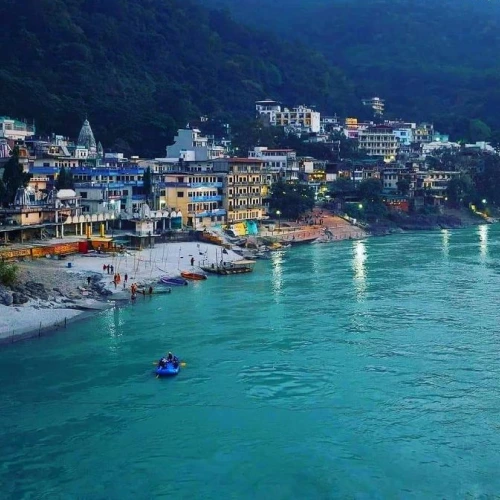
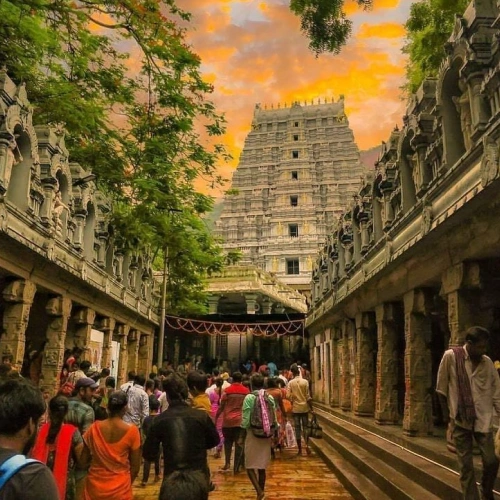
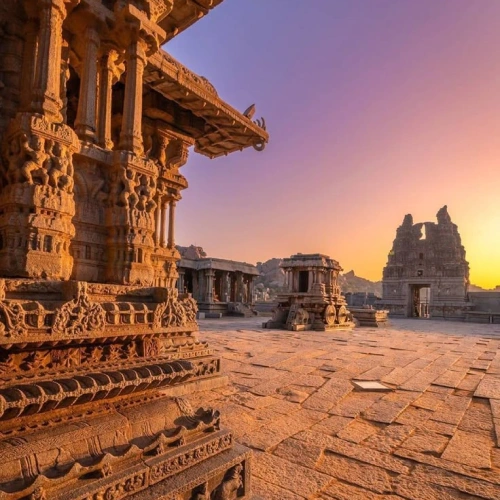

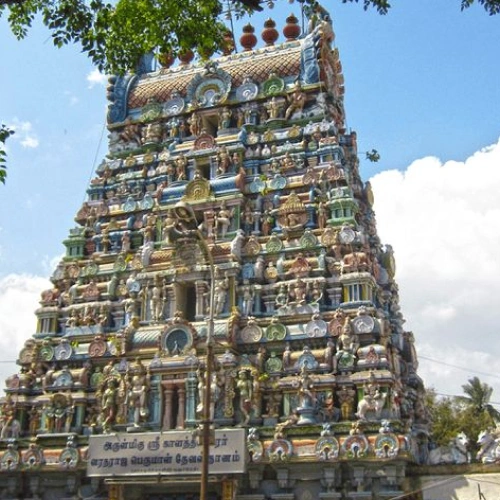

In our rapidly urbanizing world, every city, town, and village is constantly evolving. While development brings modern infrastructure, improved connectivity, and economic opportunities, it also quietly reshapes the memories and cultural narratives embedded in a place. When development rewrites the memory of a place, it raises questions about heritage, identity, and the subtle loss of collective history.
The Delicate Balance Between Progress and Preservation
Modern development is often seen as a marker of progress. New roads, high-rises, shopping complexes, and tech parks symbolize growth. Yet, for long-time residents and communities, these changes can feel like erasing memories. Streets where children once played, markets that hosted generations of families, and heritage structures that narrated local stories may disappear or transform beyond recognition.
This transformation isn’t just physical—it’s emotional. Memory of a place is a mosaic of personal experiences, communal gatherings, festivals, and rituals. When development alters the physical environment, it indirectly reshapes these memories, sometimes leaving residents feeling disconnected from their own history.
How Development Alters Collective Memory
- Displacement and Relocation: Communities often move when urban projects expand. The new environments may provide better amenities but fail to replicate the familiar emotional and social connections of the old place.
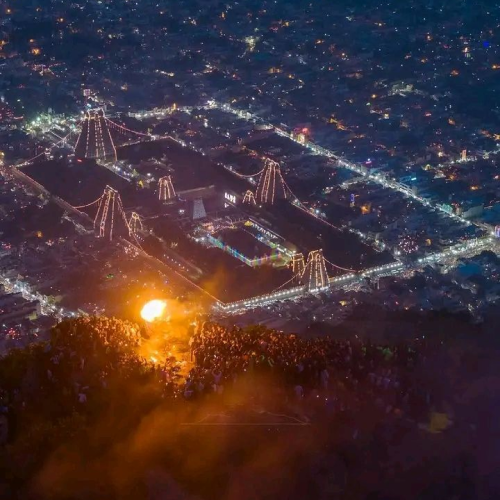
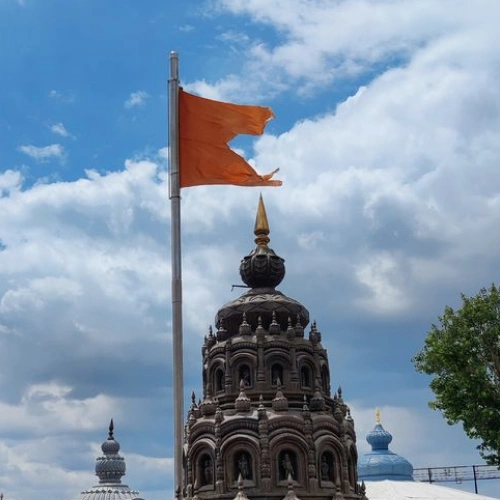
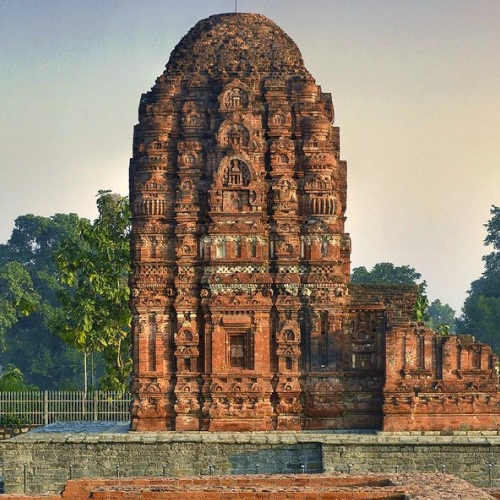
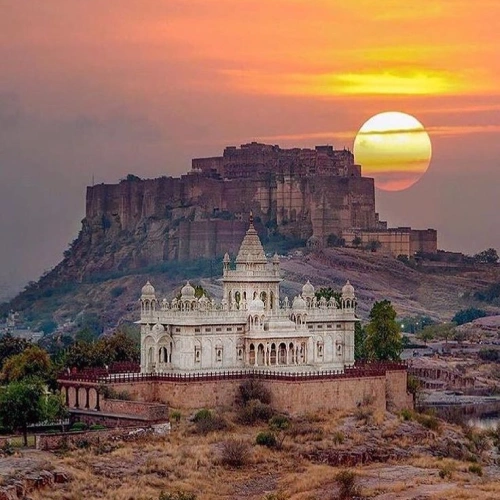
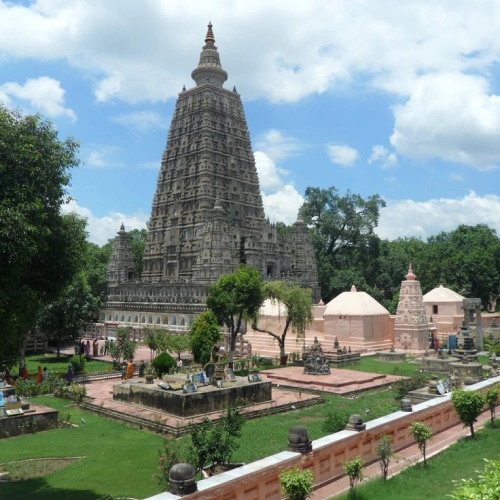
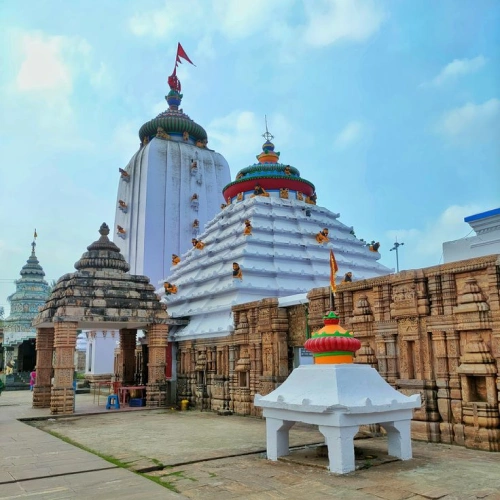
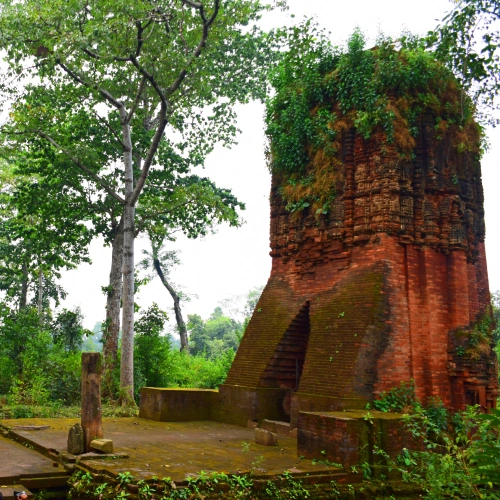
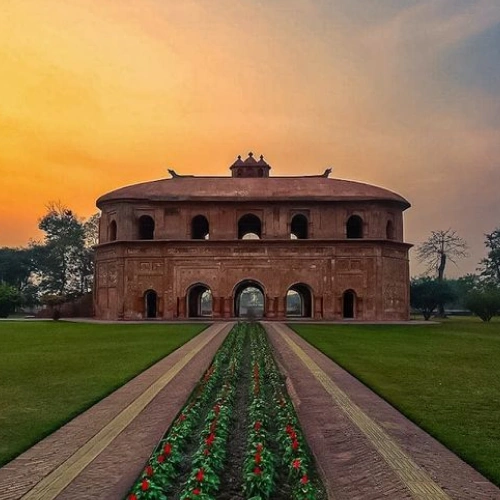
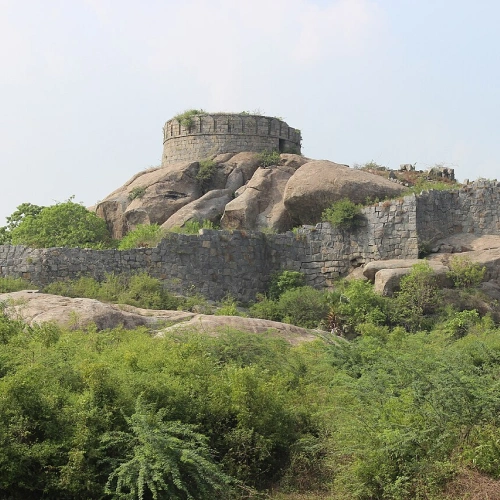
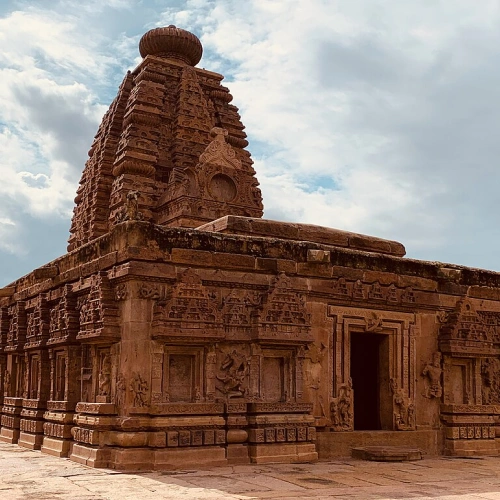
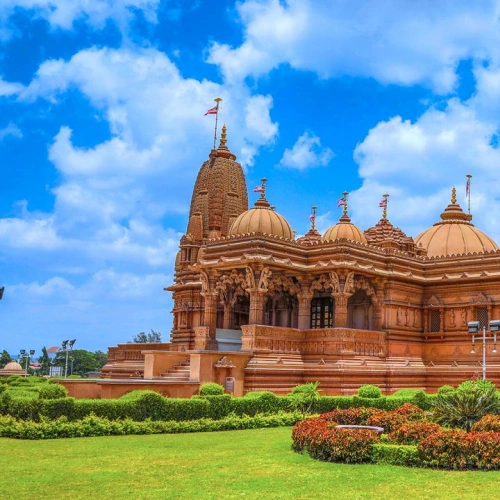
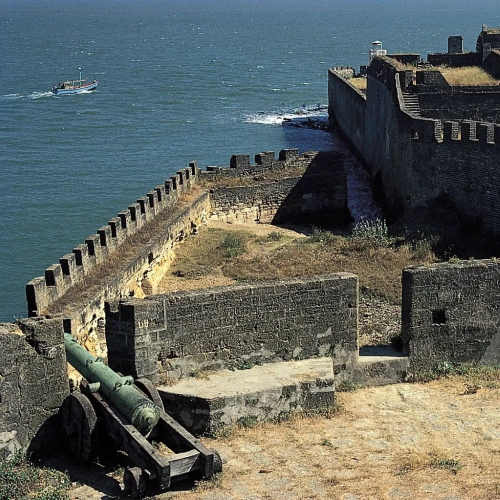
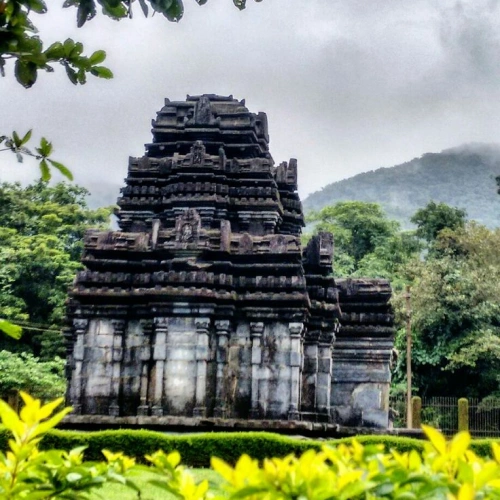
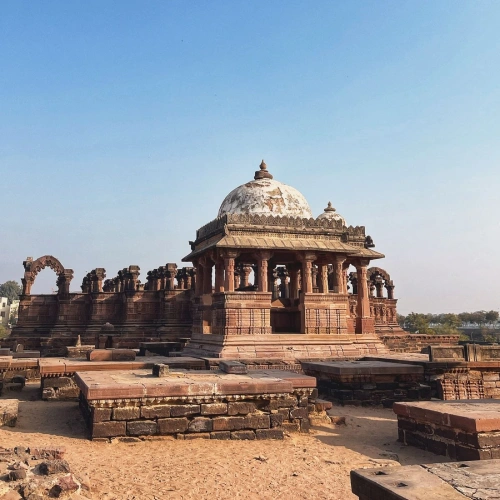
- Erasure of Historical Landmarks: Old temples, colonial buildings, or traditional markets can vanish under the weight of modern constructions, taking centuries of stories with them.
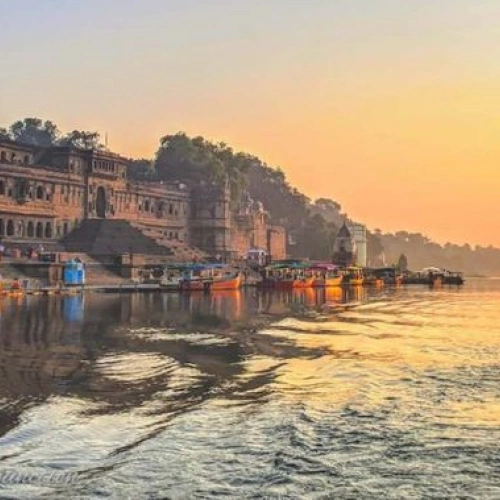
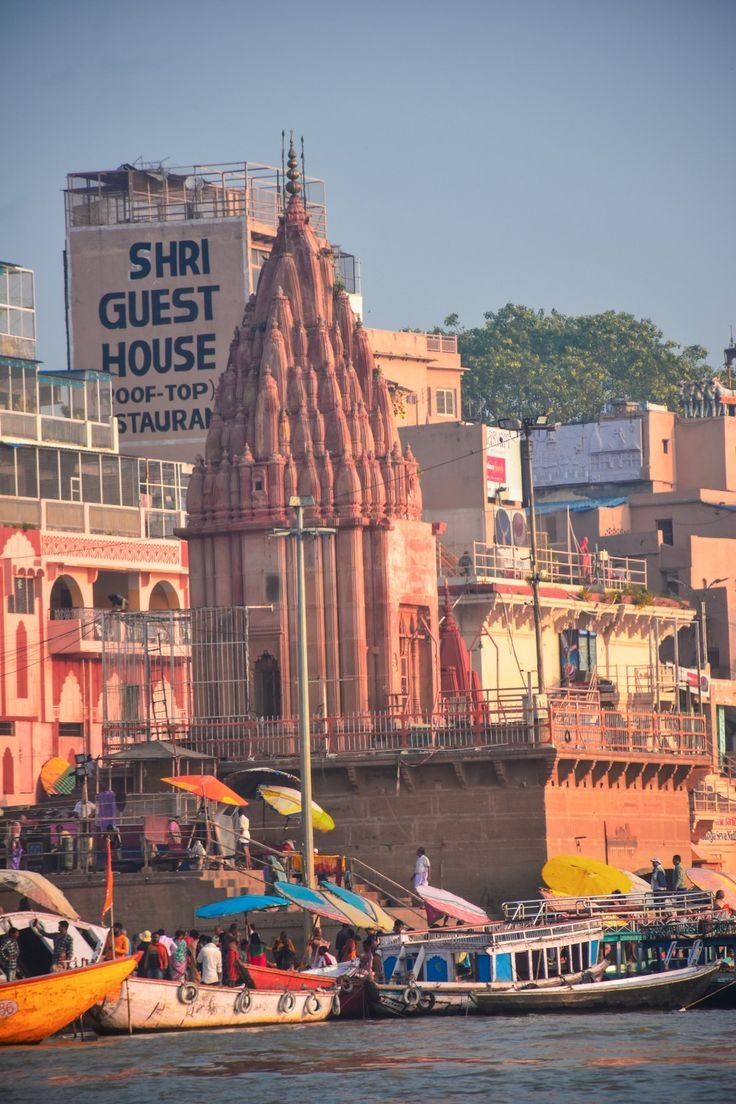
- Changing Landscapes, Changing Identity: A park replaced by a mall or a riverfront lined with condos alters the sensory memory of a place—the smells, sounds, and textures that once defined it.
- Commercialization Over Community: Development often prioritizes economic value over cultural significance, commodifying spaces that were once hubs of social life and emotional resonance.
The Hidden Cost of “Progress”
While cities become more efficient and visually modern, the intangible cultural fabric can fray. Residents may struggle to pass down stories to future generations. Children may grow up knowing only the “developed” version of a place, missing the rich, layered experiences their parents or grandparents cherished.
Preserving Memory Amid Development
It’s not development itself that threatens memory—it’s unmindful development. Strategies like adaptive reuse of heritage buildings, community-led urban planning, and inclusive design can help. Incorporating public spaces, memorializing historical events, and documenting oral histories are ways to ensure that progress doesn’t erase identity.
When development rewrites the memory of a place, it forces us to reflect: how can we embrace modernity while honoring the past? Cities and towns are living entities, but their stories deserve preservation. By balancing innovation with cultural continuity, we can create spaces that are both functional and emotionally resonant—places where progress and memory coexist harmoniously.