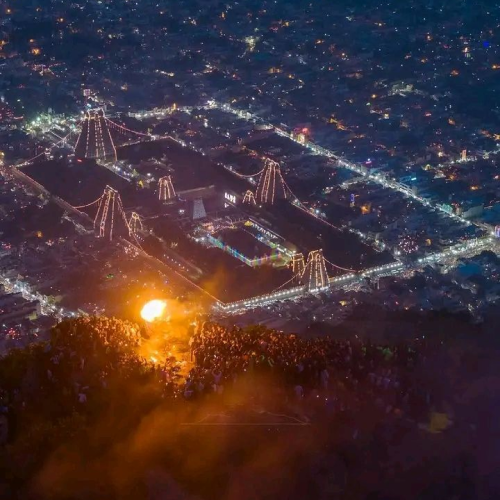

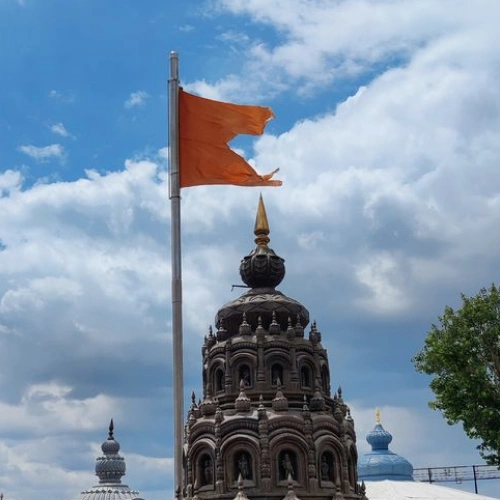
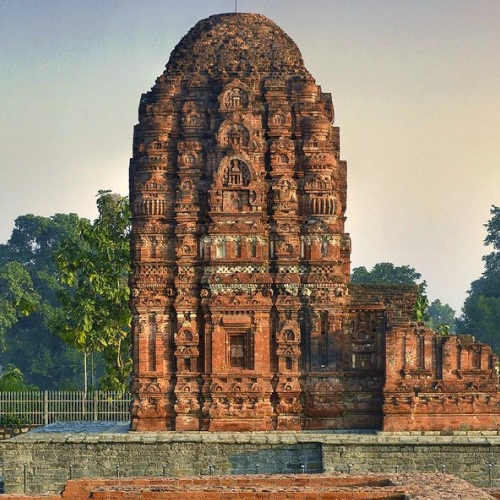
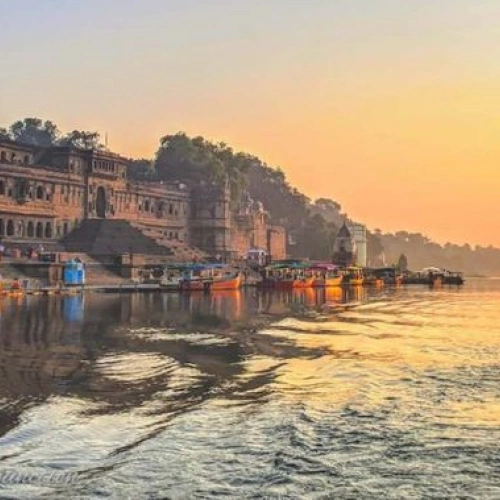


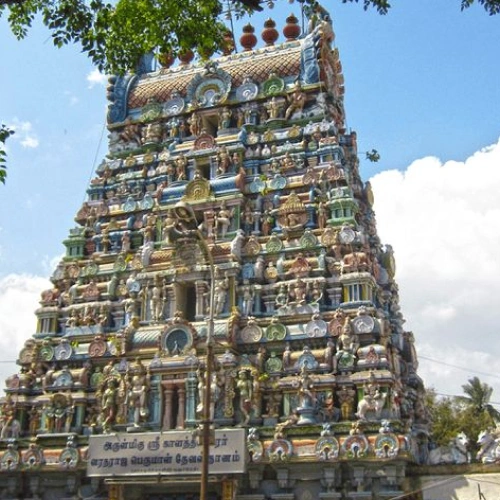
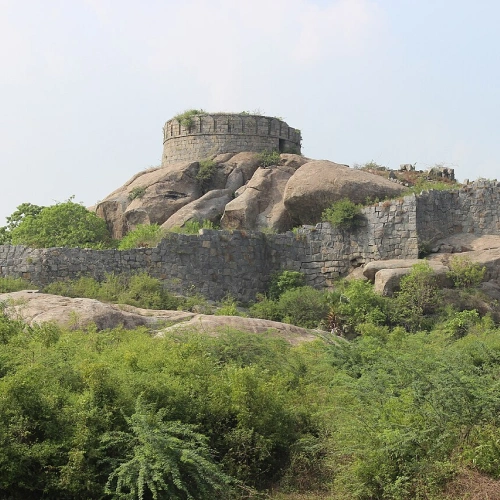
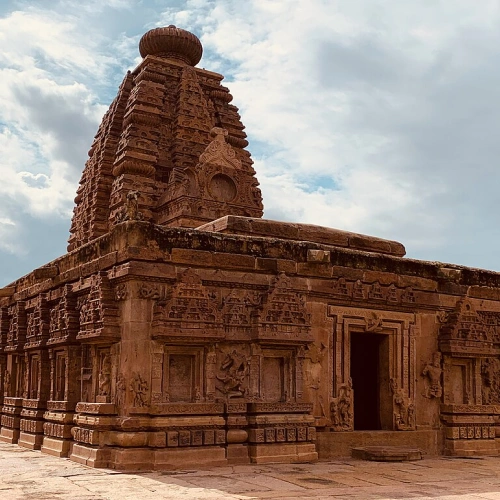
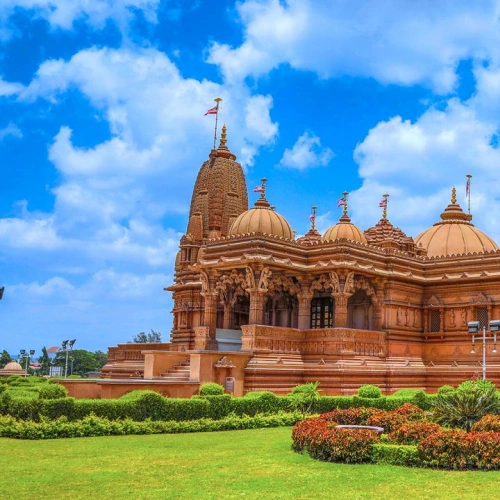

People often ask a simple question: When does something become heritage?
Is it after a hundred years?
After a government declares it important?
After it appears in books or boards?
The truth is, there is no clear answer.
Heritage does not follow a fixed rule or date. It does not suddenly begin one day because a certain number of years have passed. Many things that feel deeply cultural today were once new, ordinary, and unremarkable.
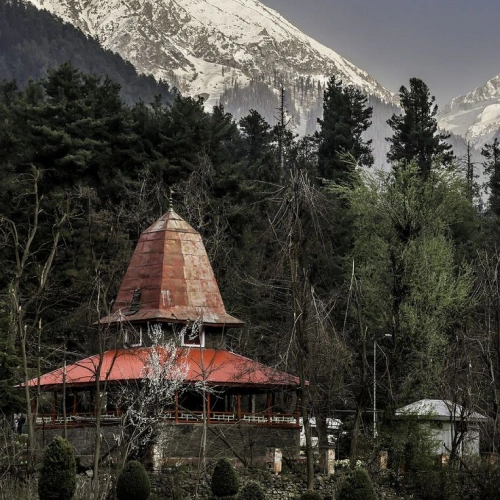
A temple built twenty years ago may already be part of daily life for a community. A yearly ritual started by a few families may slowly become something the whole area recognises. A roadside shrine may not have a recorded origin, yet people stop there every morning without fail.
None of this happens because someone officially decided it should.
Heritage often begins quietly. It starts when people repeat something. When they return to the same place. When they carry a practice forward without needing instructions. Over time, meaning settles in.
What makes this difficult is that heritage is lived before it is labelled. By the time something is called “heritage”, it has usually already existed for years, sometimes generations, without attention.
Trying to define the exact moment something becomes heritage misses the point. Culture does not wait for approval. It grows naturally, shaped by belief, habit, memory, and care.
This is why age alone cannot be the measure. Nor scale. Nor recognition.
Some things are old but forgotten. Some things are new but deeply rooted.
Instead of asking when something becomes heritage, it may be better to ask:
Is it lived?
Is it repeated?
Does it matter to the people around it?
If the answer is yes, then perhaps it already is.
And perhaps it always was.